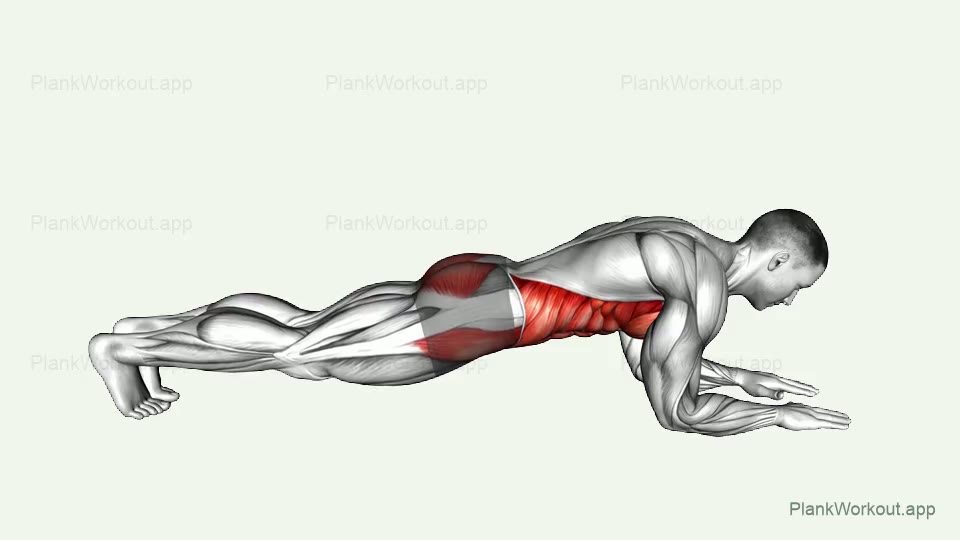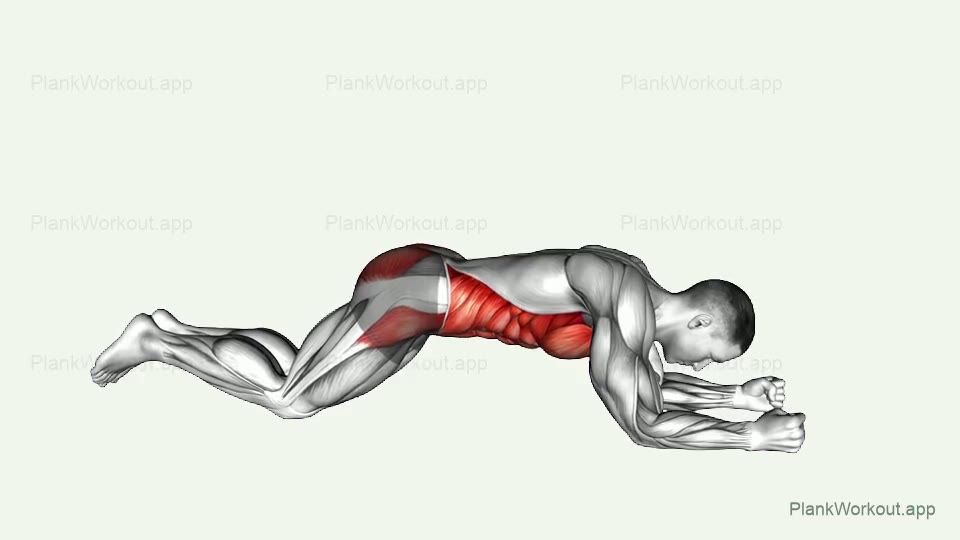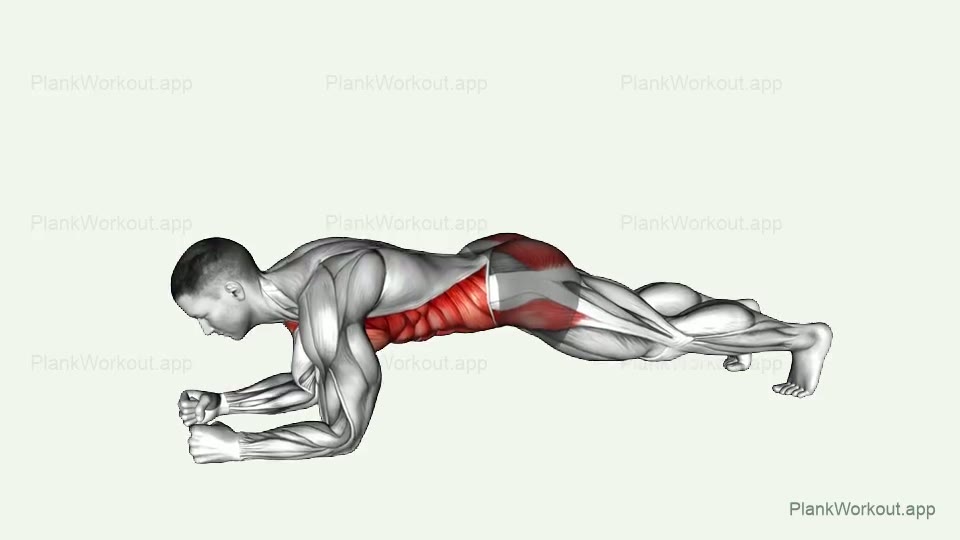
A harder variation is useful only when it gives you a challenge you can manage. Progress does not have to mean removing support as quickly as possible. First make your current version repeatable with steady breathing and a deliberate finish.
Use a readiness check
Before changing the exercise, ask whether you can complete all planned sets without large hip movement, rushing, or breath-holding. Look at several sessions rather than a single unusually good day. If control varies widely, repeating the current version gives you more practice.
Change one variable
You can increase a hold slightly, add a set, or choose a different position. Pick one. For example, keep the timer shorter when first moving from a knee-supported to a full plank. A new variation is not directly comparable with your old personal best.
Explore movements gradually
- Build a steady forearm or high plank first.
- Practise side planks on both sides with a shorter interval.
- Try a slow shoulder tap only while keeping the hips controlled.
- Leave faster variations, such as plank jacks, until the base position feels reliable.
Make stepping back part of the plan
If you are tired or your form changes early, return to a simpler option. That is an adjustment to today's conditions, not lost progress. Stop when pain appears. PlankWorkout uses your feedback to increase or reduce later hold times, while levels continue to mark completed sessions. Choose “Too hard” when appropriate; advancing sustainably is more useful than selecting “Too easy” just to make the next number bigger.
Sources & further reading
General fitness education, not individualized medical advice. Stop for pain or dizziness; seek qualified advice if symptoms persist or you have an injury.