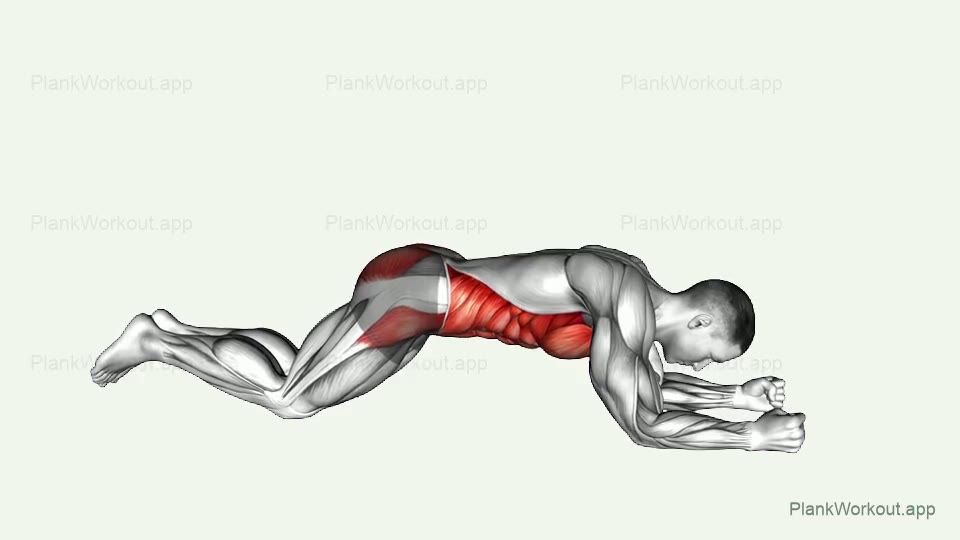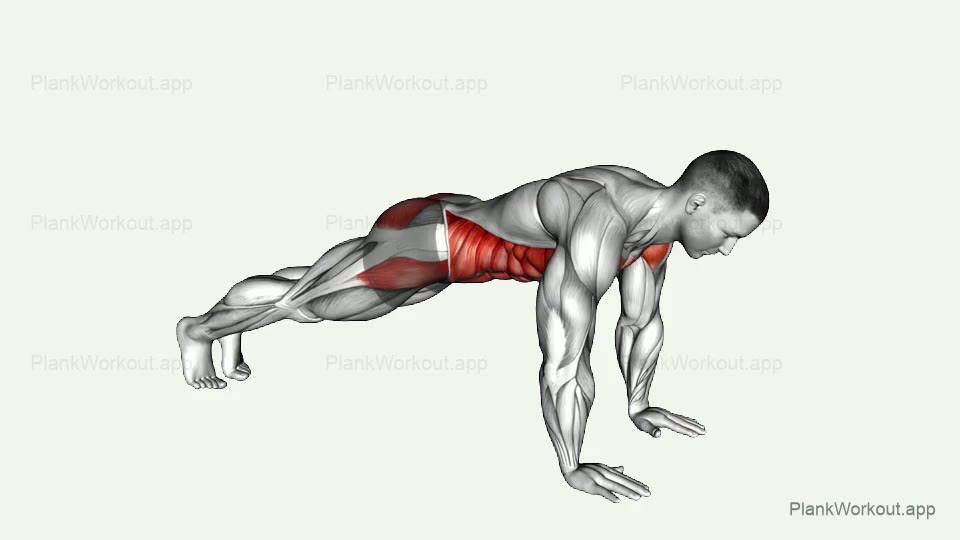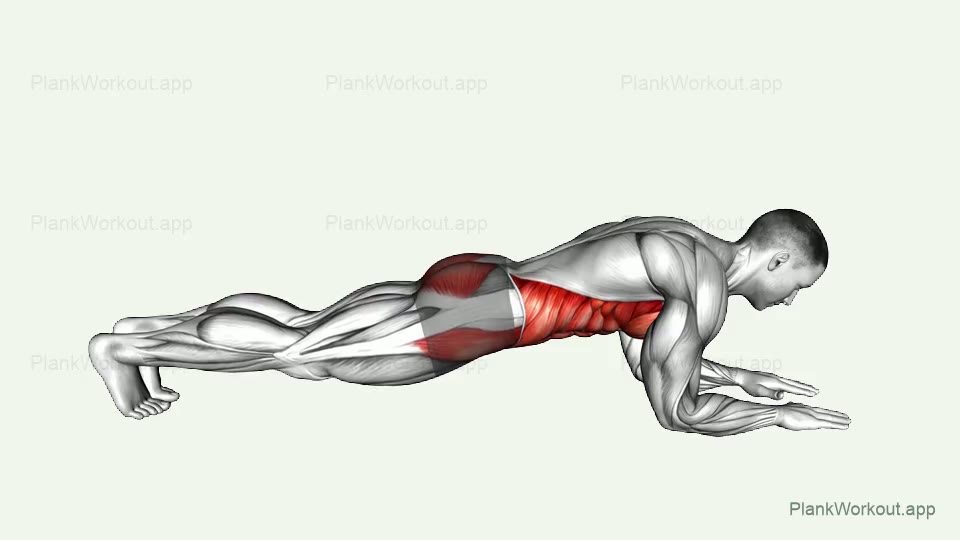
There is no single plank time everyone needs to achieve. A useful hold is long enough to challenge you while you still control the position. Someone new to the movement and someone with years of practice can use very different timers productively.
Find your repeatable time
Start with a brief trial rather than an all-out attempt. Stop while your hips remain steady and your breathing is controlled. Rest, then repeat. If the second attempt falls apart immediately, your first interval was probably too ambitious for a repeated-set workout.
Separate a test from training
A longest-ever hold measures one performance on one day. A training session asks you to repeat quality work. For example, three controlled 20-second holds give a different session from one exhausting minute. Record both the number of sets and their duration so the comparison stays meaningful.
Add time in small steps
- Repeat the current duration until all sets feel manageable.
- Add about five seconds to one set as an experiment.
- Keep the rest interval and exercise version unchanged.
- Return to the previous duration if posture deteriorates.
Progress can mean something else
Longer is only one option. You might keep the same timer while improving your setup, reducing unwanted hip movement, or learning a side plank. Do not compare your time across different variations as if they were identical. In PlankWorkout, feedback changes future hold times; choose “Just right” when the current challenge already suits you. Pain is a reason to stop, not a reason to beat the clock.
Sources & further reading
General fitness education, not individualized medical advice. Stop for pain or dizziness; seek qualified advice if symptoms persist or you have an injury.