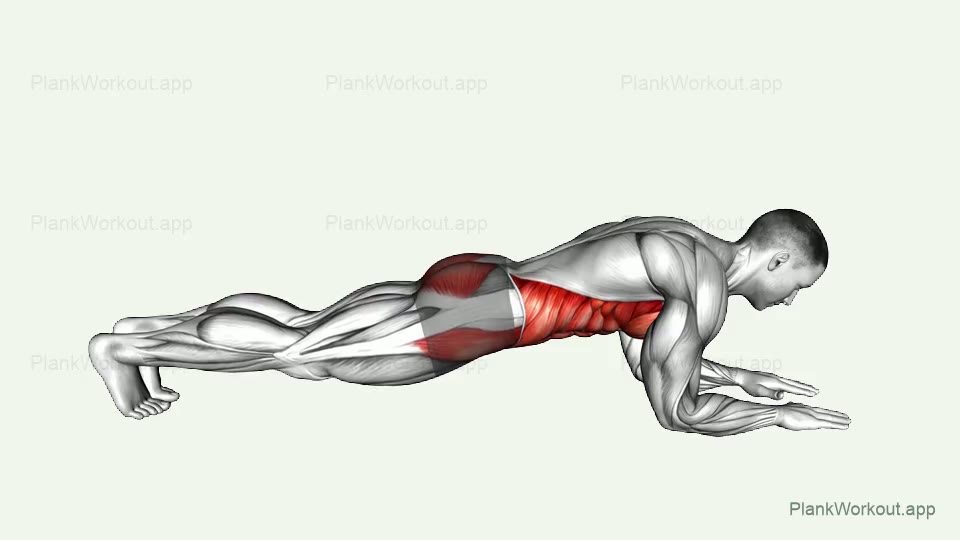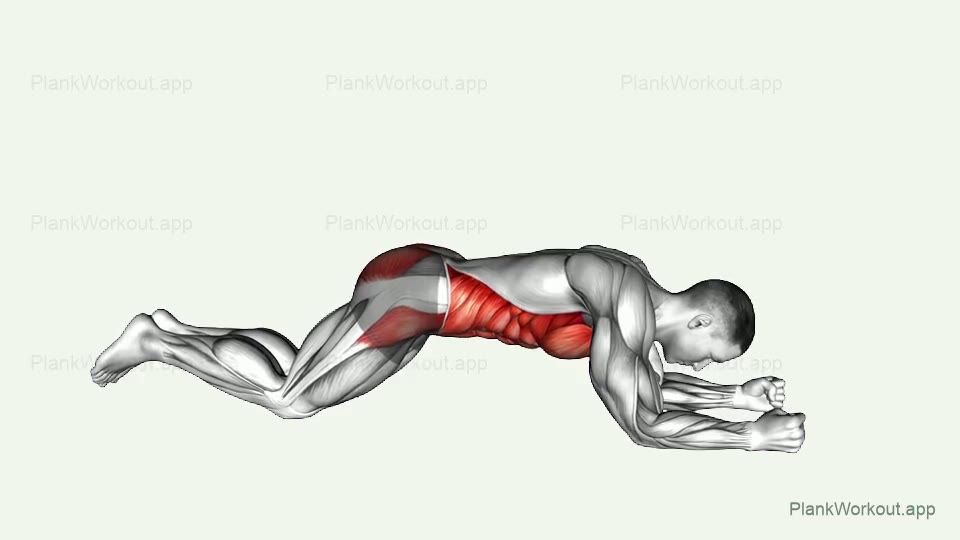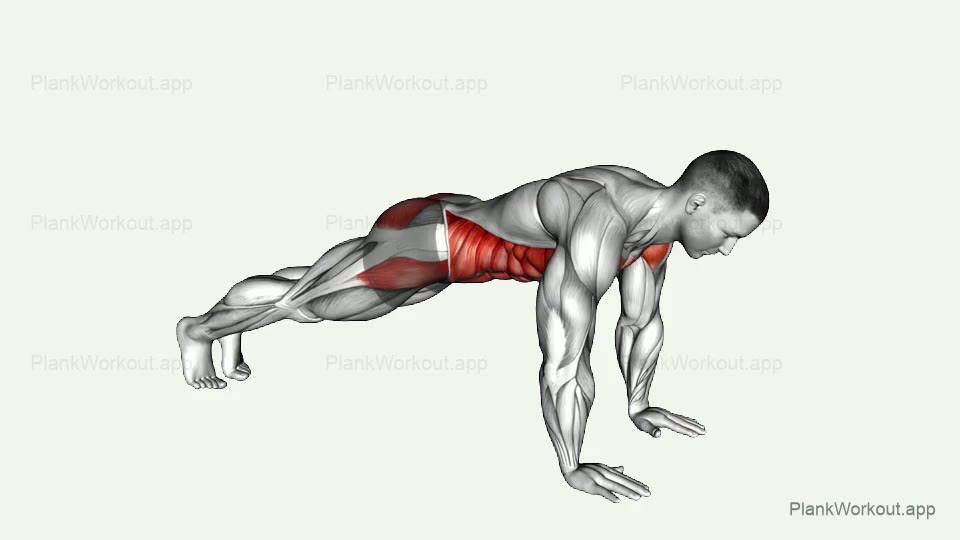
The plank practises keeping your trunk steady while your limbs support you. It is convenient, needs little space, and can be adjusted with body position. Its usefulness comes from what you practise consistently, not from a magical number of seconds.
What the exercise asks of you
Your abdominal muscles help resist the trunk sagging, while your shoulders and other supporting muscles contribute to the position. Holding still under effort is a form of isometric work. With practice, you may become more comfortable maintaining that position and repeating it with control.
Look for practical signs of progress
- You can enter the position without rushing.
- Your first and final seconds look more similar.
- You can breathe steadily during the planned hold.
- You repeat the same session with less effort or better control.
These observations are more informative than judging a workout only by how much it makes you shake. Use the same version and similar rest when comparing sessions.
Keep expectations realistic
Planks do not selectively remove belly fat, guarantee visible abs, or replace every other exercise. Appearance depends on many factors beyond this movement. Nor should a plank be presented as a treatment for an injury; persistent symptoms need an individual assessment.
Make room for variety
Use planks as one part of a routine that also includes other strength movements and aerobic activity. A brief plank block after an easy warm-up can be enough to practise the skill. PlankWorkout records completed work and adjusts the next session, but its level number is a record of consistency, not a medical score or a measure of total fitness.
Sources & further reading
General fitness education, not individualized medical advice. Stop for pain or dizziness; seek qualified advice if symptoms persist or you have an injury.