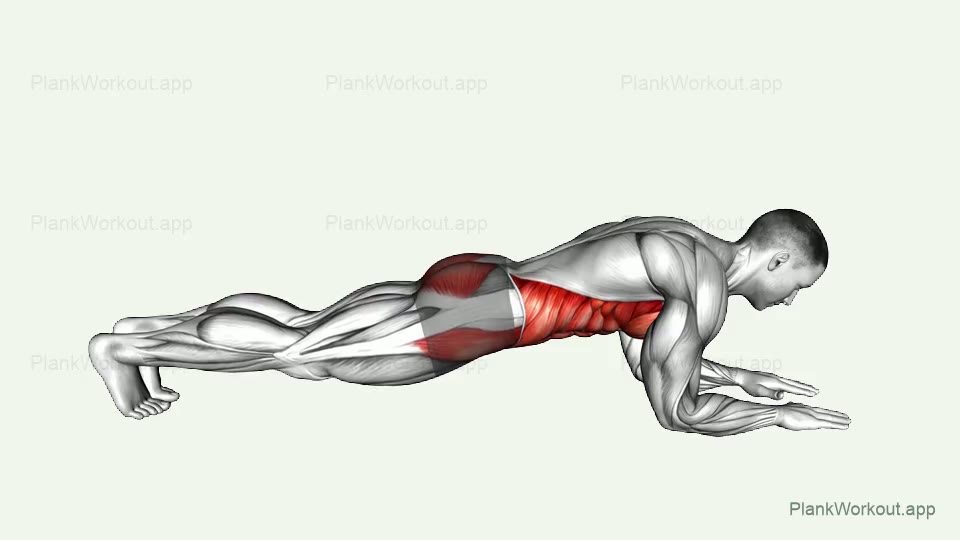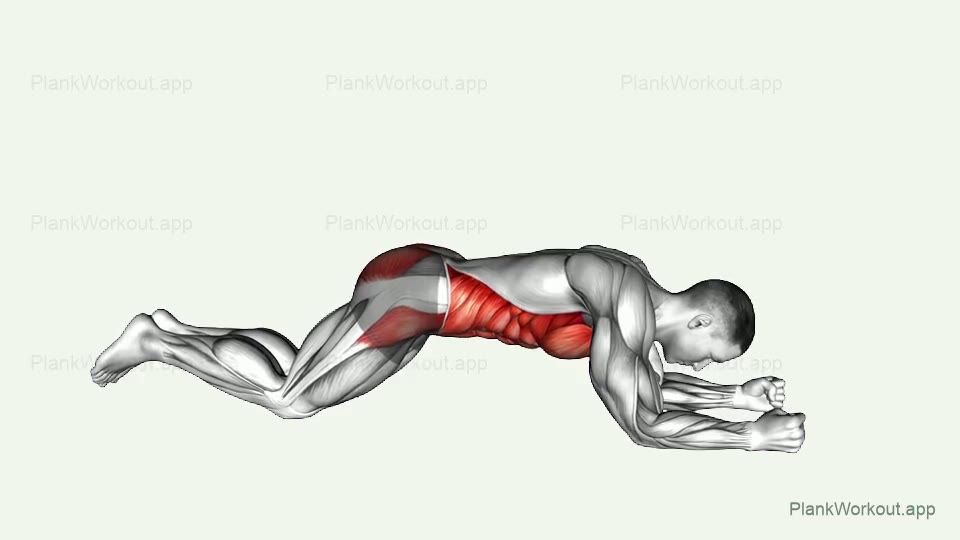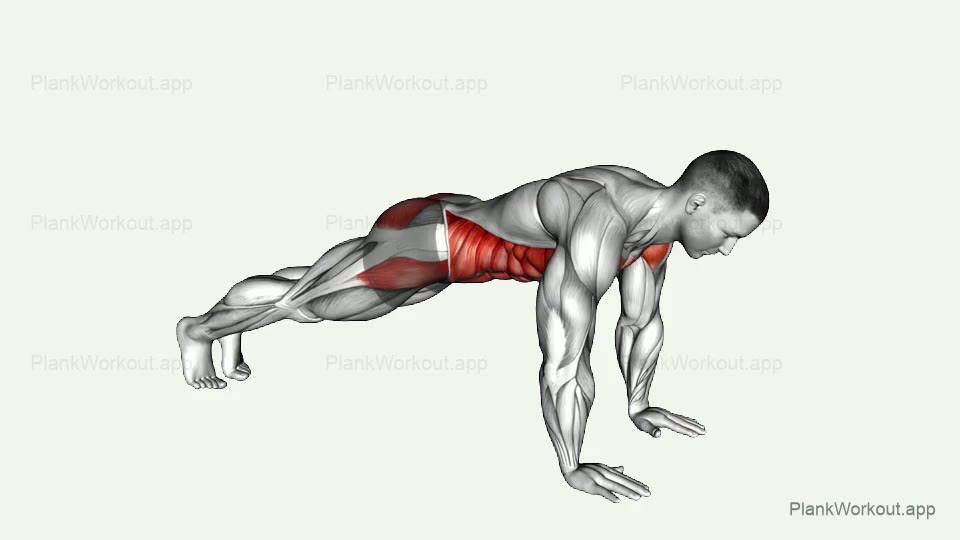
A high plank uses the hands with the arms extended. A forearm plank uses the forearms with bent elbows. Both ask you to maintain a steady trunk, but changing the support changes how the position feels. Neither is automatically the best choice for every person.
Compare the setup
In a high plank, position your hands below your shoulders and press the floor away. In a forearm plank, place your elbows below your shoulders and keep the forearms grounded. In both, aim for an aligned trunk and steady breathing rather than a rigidly held breath.
Check comfort before difficulty
The high plank places the wrists in an extended position. The forearm version changes that support but still loads the shoulders. If one feels uncomfortable, stop and reassess instead of assuming discomfort means the exercise is working. A padded mat can improve surface comfort, but it should not be used to ignore pain.
Compare like with like
- Test each version on separate, rested attempts.
- Keep the planned hold brief while learning.
- Note wrist comfort, shoulder control, and hip movement.
- Choose the version you can repeat reliably.
Your times may differ. A minute in one position does not require a minute in the other, and changing the variation is already a change in the workload.
Use each with a purpose
A high plank is the starting position for shoulder taps. A forearm plank is a useful base for learning a still hold. You can keep both in your practice without turning every session into a competition between them. Preview the exercise in PlankWorkout so your support matches the demonstration before the countdown ends.
Sources & further reading
General fitness education, not individualized medical advice. Stop for pain or dizziness; seek qualified advice if symptoms persist or you have an injury.