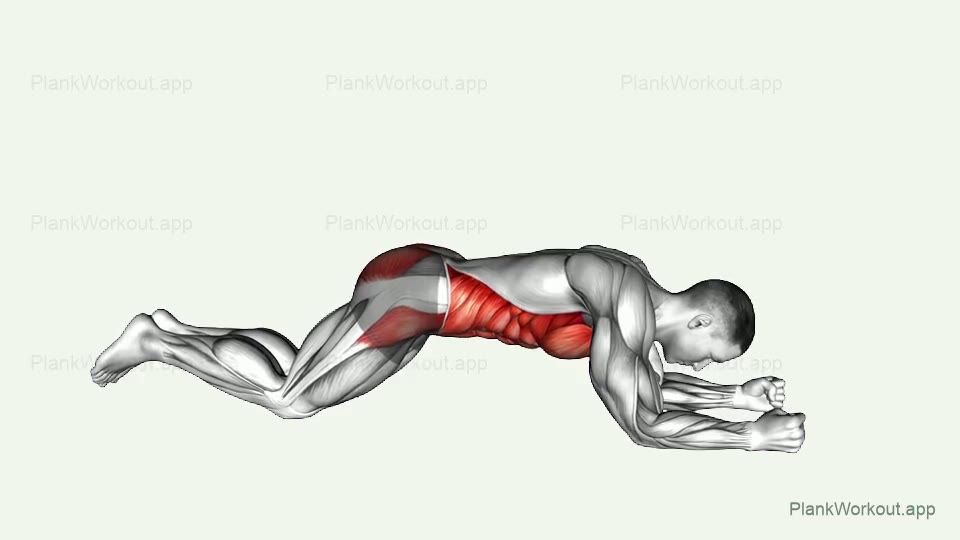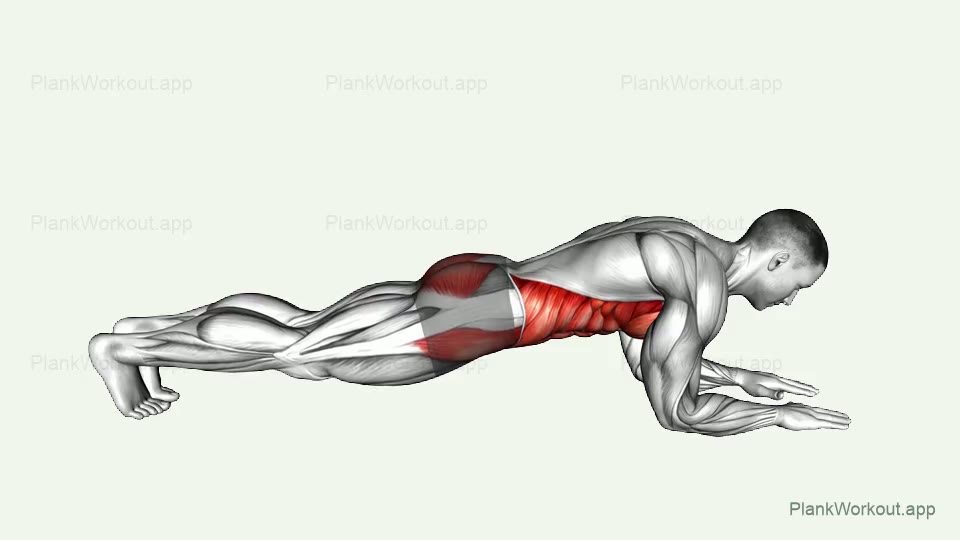
Most plank mistakes appear as fatigue builds. The answer is often a shorter set and a fresh setup, rather than trying to correct everything while struggling. Pick one checkpoint for each attempt so your attention has a clear job.
Hips drifting out of line
When your hips sag or rise substantially, stop and rebuild the position. You can shorten the next interval or use knee support. A short side-on video can show a change you do not feel while looking down. Compare the start and end of a set, not just one flattering frame.
Shoulders and neck doing extra work
Place your support beneath the shoulders and keep your gaze toward the floor. Avoid stretching your neck up to read a screen. Move the timer into view before starting, and use the sound cues if they help. The goal is not to keep checking the clock with your head.
Holding the breath
- Start with a normal exhale as you prepare.
- Keep breathing once you lift into position.
- If breathing stops, lower the knees and reset.
- Use a shorter hold on the next attempt.
Rushing the transitions
Give yourself time to place the hands or forearms before lifting. At the end, lower your knees before relaxing fully. During side changes, take the offered rest rather than rolling hurriedly into the next hold. If an exercise causes pain, stop; a technique checklist is not a diagnosis. After a completed app session, choose difficulty feedback based on your last controlled set, not only the first easy seconds.
Sources & further reading
General fitness education, not individualized medical advice. Stop for pain or dizziness; seek qualified advice if symptoms persist or you have an injury.