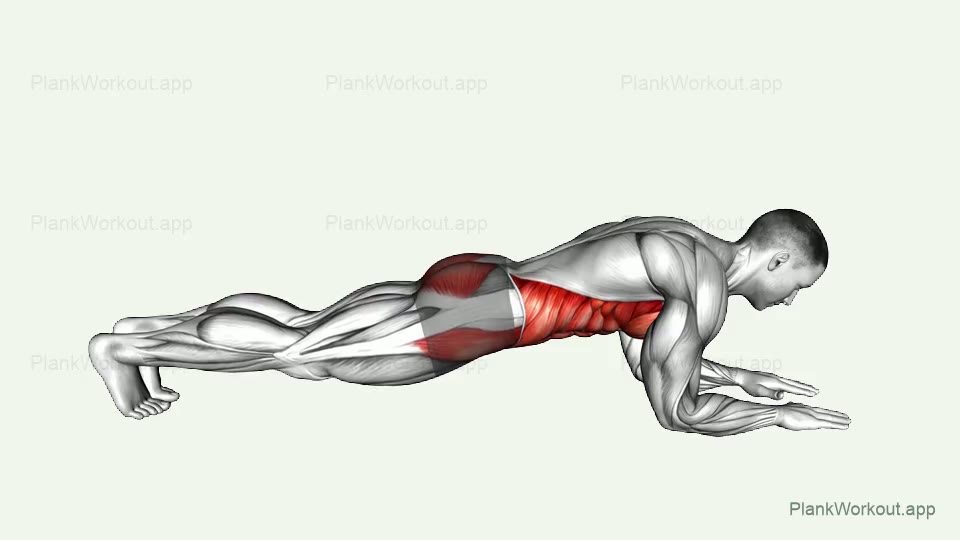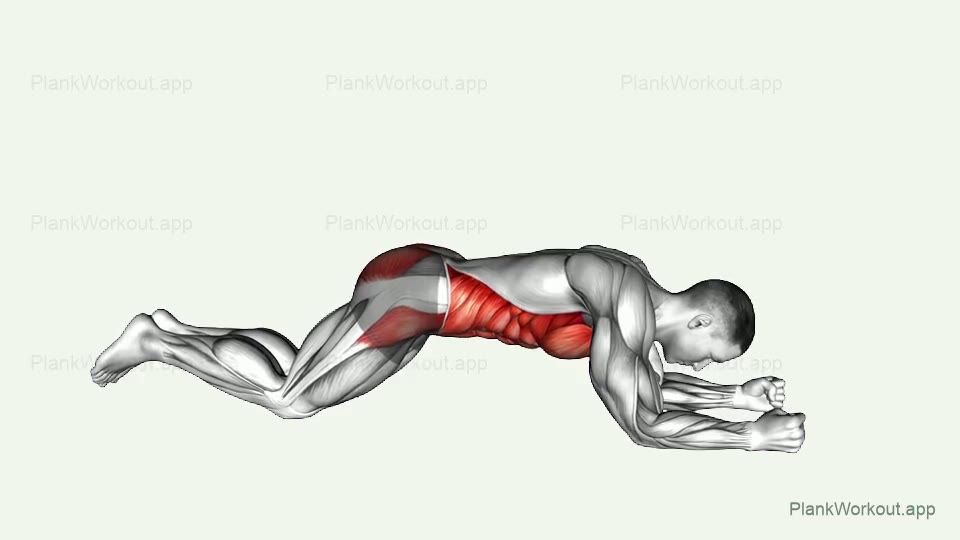
You do not need a complicated breathing pattern for an ordinary plank. The practical goal is to keep air moving while the trunk stays supported. If concentrating on the timer makes you hold your breath, practise the breathing separately first.
Rehearse before lifting
Start on hands and knees or in a comfortable supported position. Take a few ordinary breaths. Gently tighten the abdomen and notice whether you can still breathe without lifting your shoulders dramatically. Then try a short knee-supported plank with the same easy rhythm.
Keep the task simple
Breathe in and out at a pace you can sustain. There is no requirement to match every breath to a certain number of seconds. Counting a few breaths can be a reminder, but it should not make you slow or force the breath uncomfortably.
Use a short practice loop
- Prepare your support and take an unforced breath.
- Lift into the chosen plank and continue breathing.
- Finish before you need to strain or hold your breath.
- Rest until breathing feels settled, then repeat if comfortable.
Match the load to the breathing
If you can breathe in the first seconds but not later, shorten the hold. If breathing is difficult immediately, choose an easier position. Stop for dizziness, unusual breathlessness, or pain. In PlankWorkout, the rest countdown is a guide: you can pause to take longer. Keeping the same duration with calmer breathing can be useful progress even when the app's level or timer does not change.
Sources & further reading
General fitness education, not individualized medical advice. Stop for pain or dizziness; seek qualified advice if symptoms persist or you have an injury.