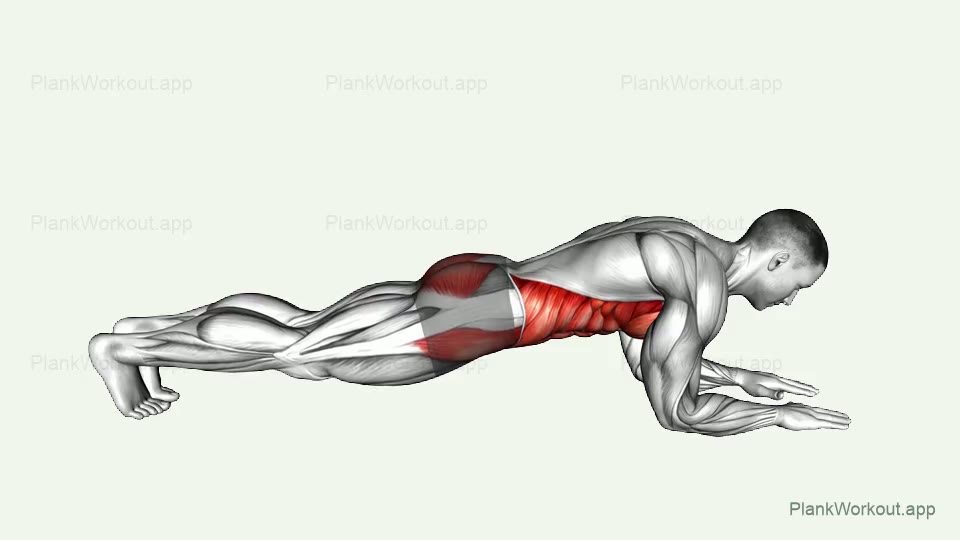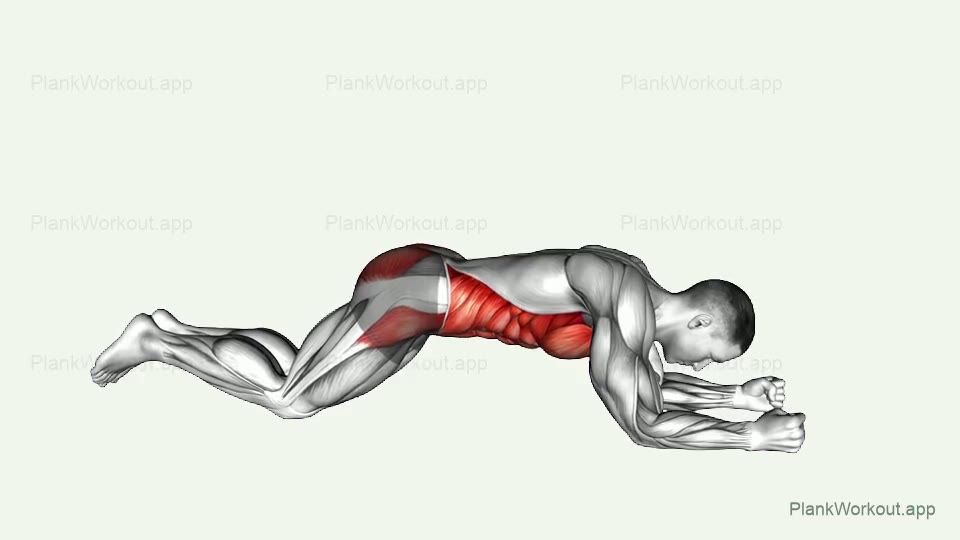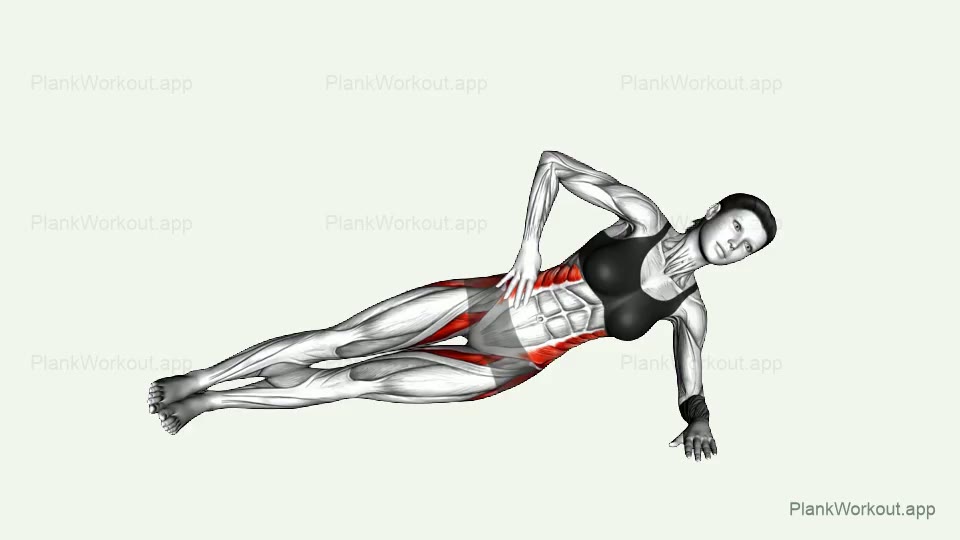
A 30-day plan is a convenient calendar, not a promise of a transformed body. Use the month to learn what you can repeat comfortably. The example below keeps recovery in the schedule and lets you repeat a week instead of forcing an increase.
Week 1: find a baseline
Plan three short sessions with a rest day between them. Try three manageable holds of the same variation, and rest until you can repeat the setup calmly. Record the duration, variation, and how the last set felt. Begin with less than your maximum.
Week 2: make it repeatable
Keep the three-session pattern. Repeat the first week's workload if it still feels challenging. If all sets are controlled, add a few seconds to one hold. Keep the other variables unchanged so you can tell what caused a difference.
Week 3: add one new skill
Consider replacing one set with an easier side plank practice, making time for both sides. Do not add a new variation and longer holds in the same session. The goal is a new movement you can control, not a larger number on the calendar.
Week 4 and days 29–30: review
- Keep two or three manageable sessions and recovery days.
- Compare posture and breathing with your first week.
- Use the final days for an easy repeat or rest, not a mandatory maximum.
- Keep the next month at a level you can sustain.
If you miss a day, resume at the next sensible opportunity without doubling the work. In PlankWorkout, levels follow completed sessions, not calendar dates; taking a day off does not erase your progress.
Sources & further reading
General fitness education, not individualized medical advice. Stop for pain or dizziness; seek qualified advice if symptoms persist or you have an injury.